
Why Every Beautiful Detail Works: The Architectural Logic of Agrarian Revival
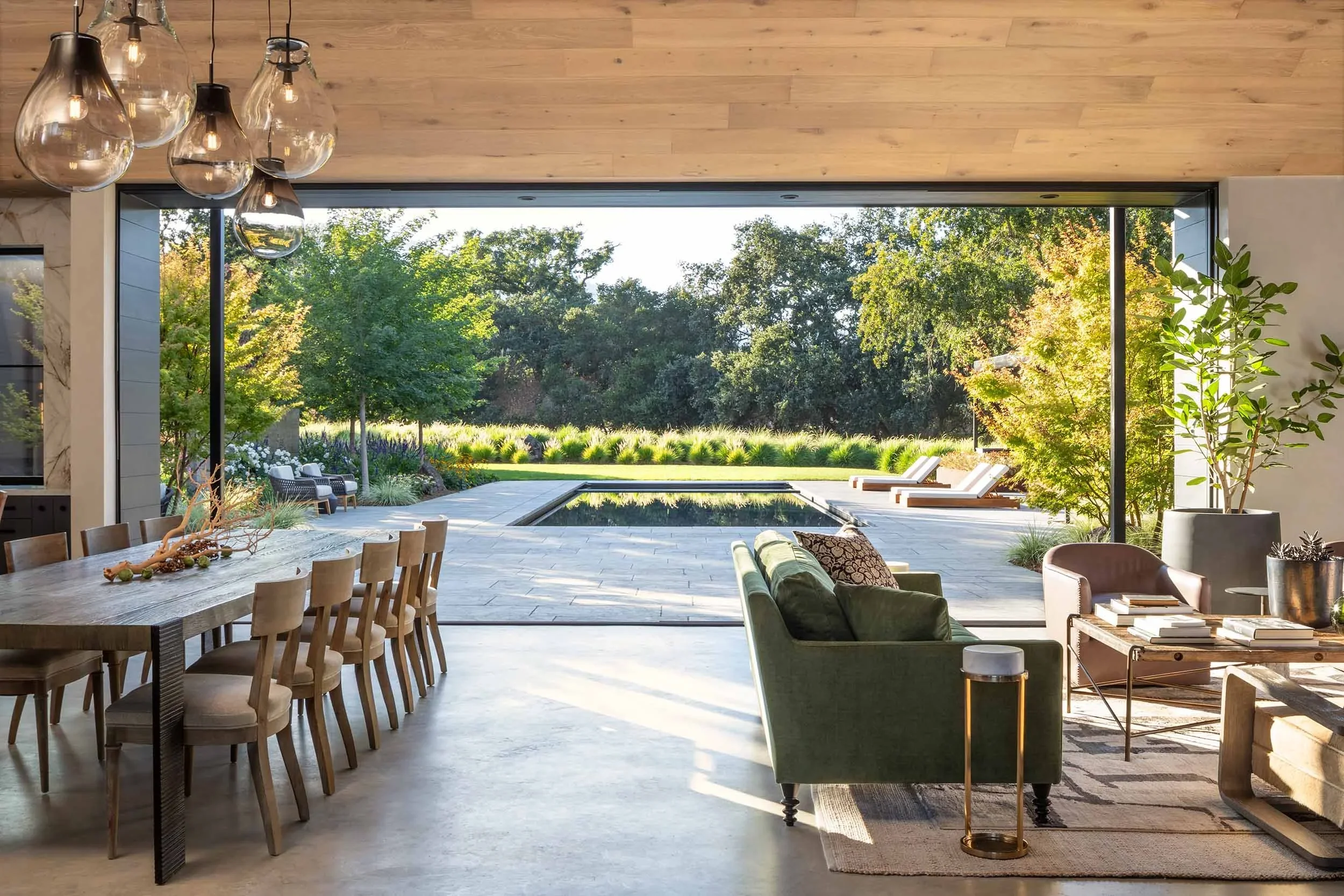
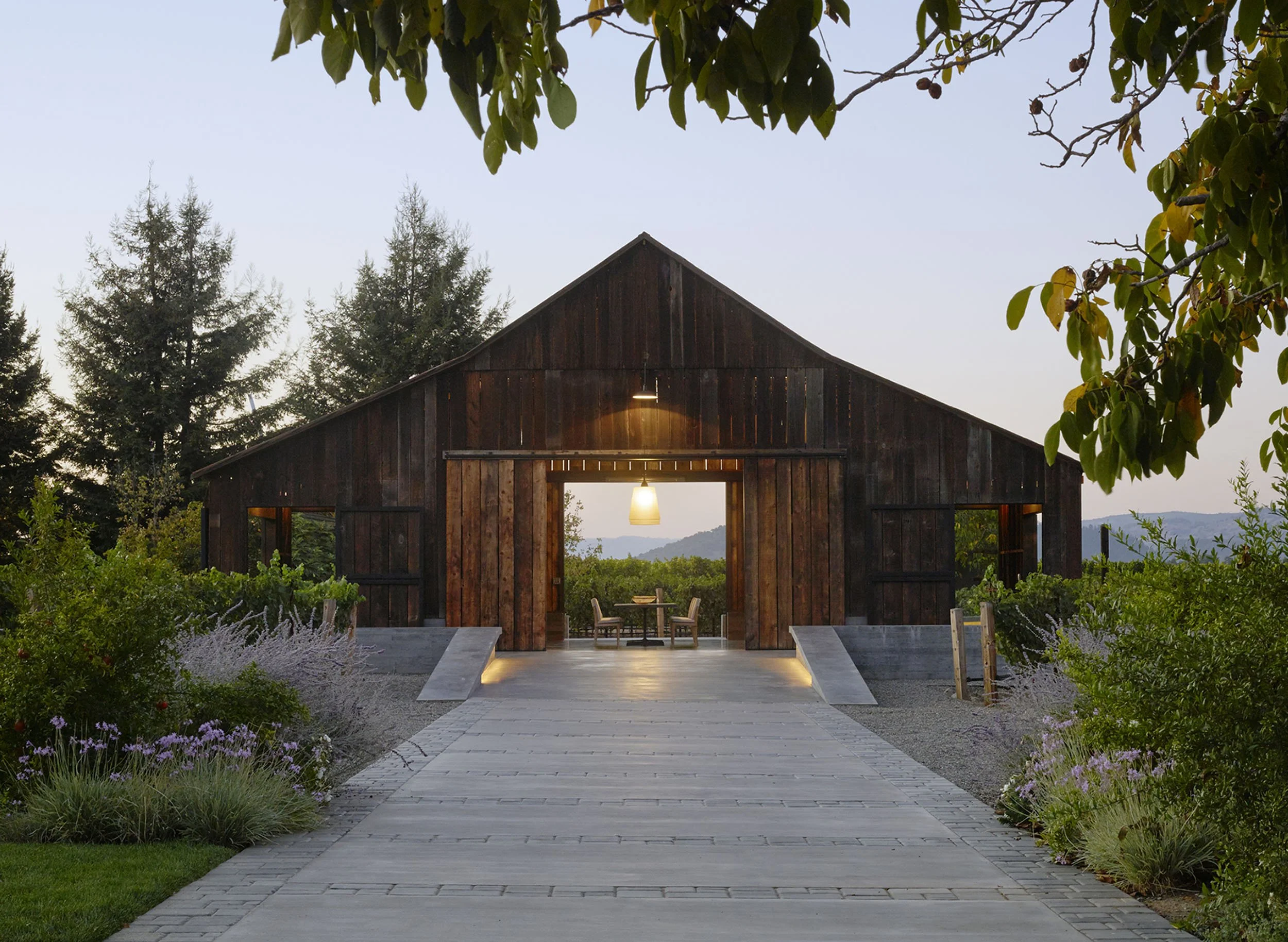
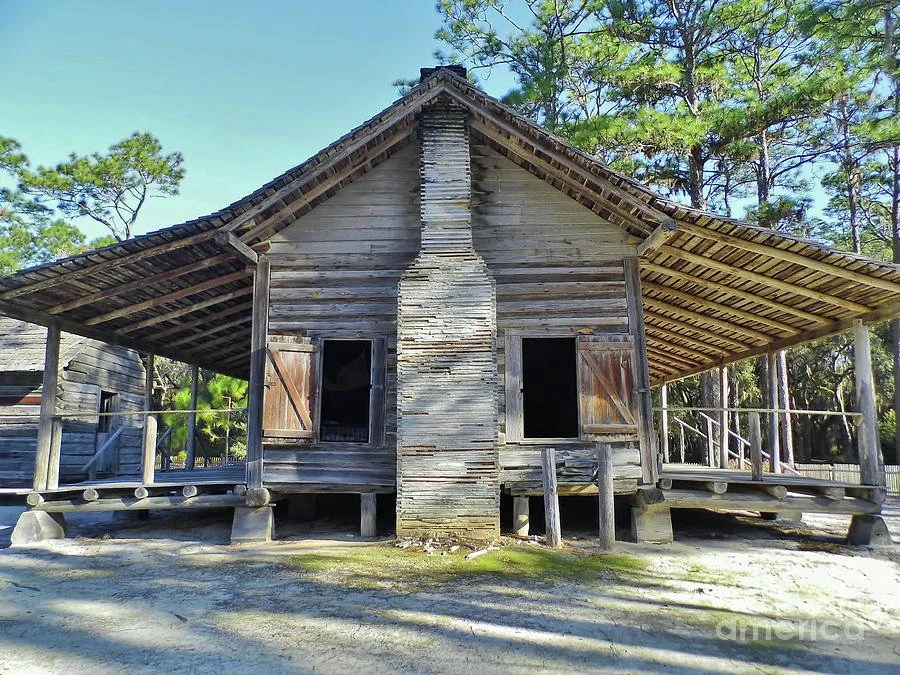
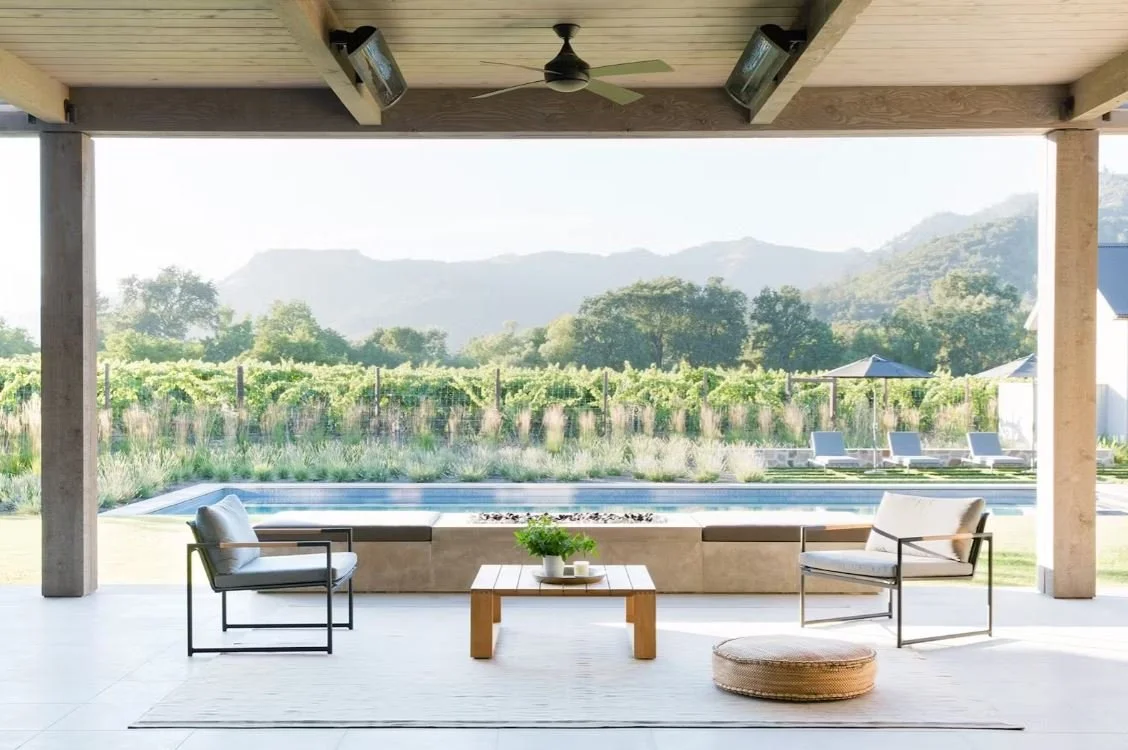
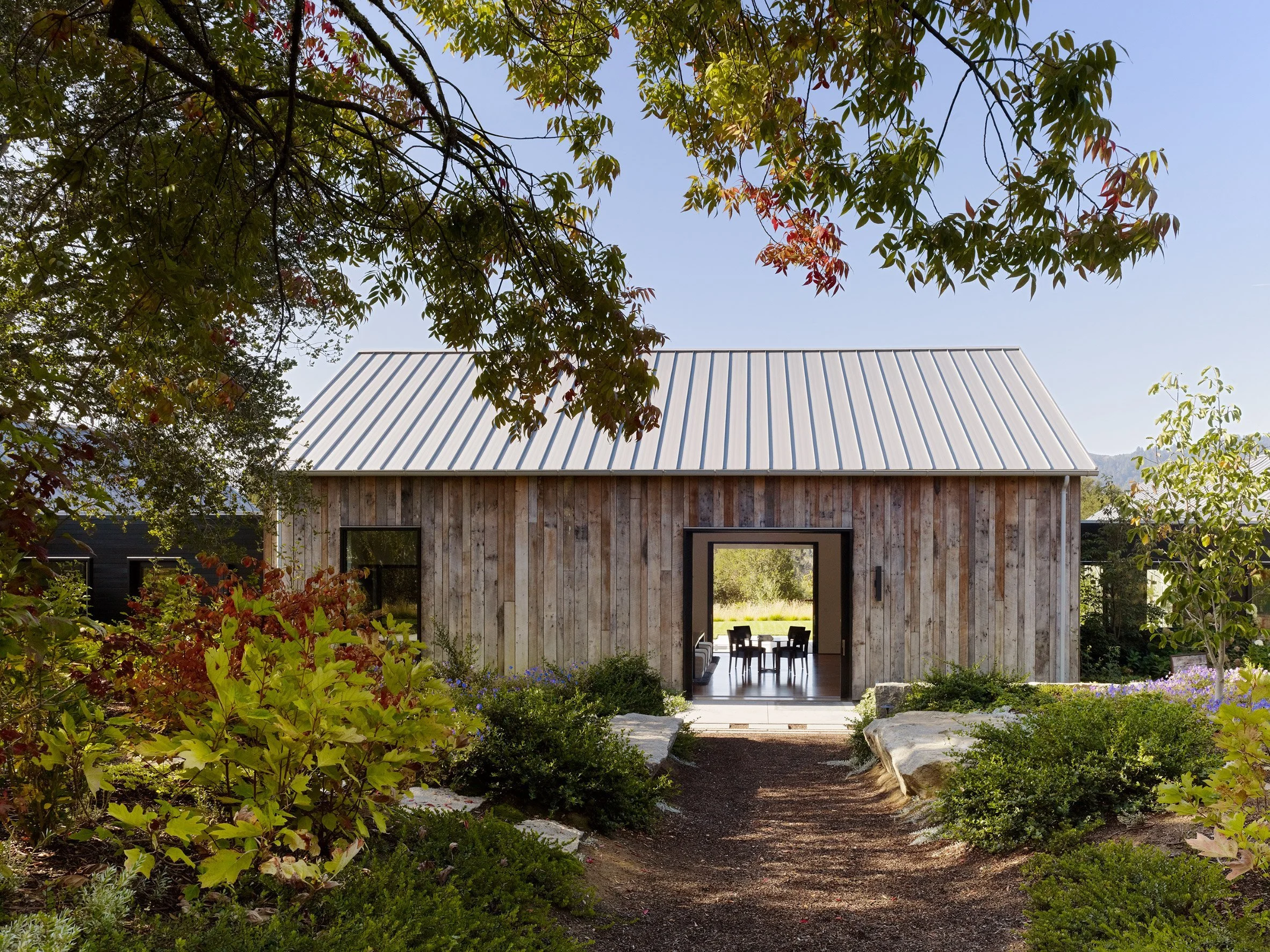
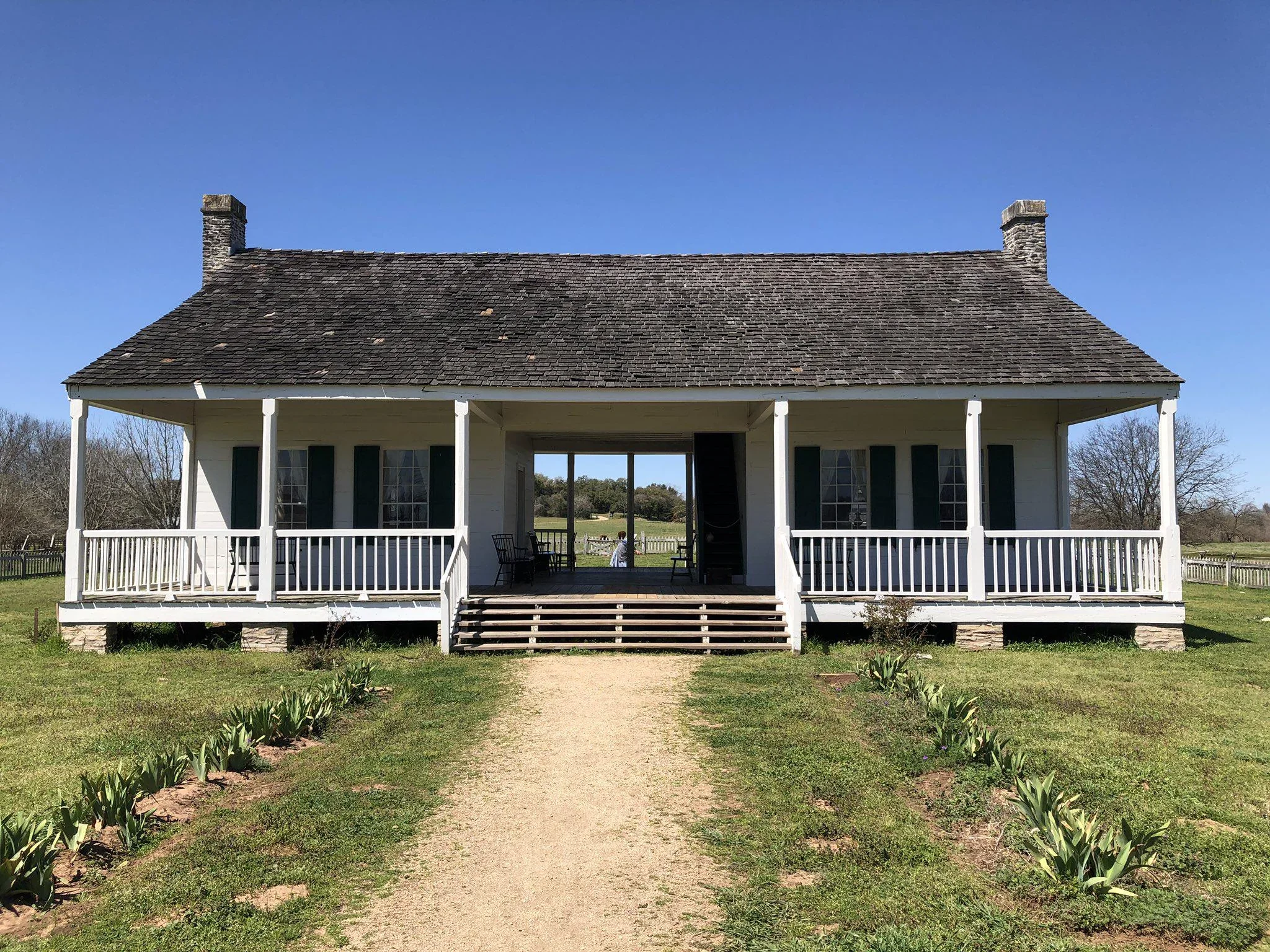
There is a particular kind of architectural honesty in the old farmhouses of North Florida. The raised floors were not a stylistic gesture. The deep porches were not decorative. The steep metal roofs, the dog-trot breezeway, the cypress clapboard siding — each of these was a decision made under pressure, by people building for a climate that punished the poorly considered.
The thesis behind Agrarian Revival is simple: beauty and performance are not separate conversations. In this part of the world, they never were.
The Eleven at Congaree & Penn draws from that tradition directly. The architectural language guiding its homesteads, called Agrarian Revival, is not a stylistic mood board applied to a residential development. It is a set of principles rooted in the specific ecology and building history of North Florida, refined through contemporary craft, and expressed in homes that are meant to endure. Understanding what Agrarian Revival is, and why it works, requires understanding the landscape it comes from.
A Landscape That Demanded a Response
North Florida is not the tropics and it is not the temperate South. It occupies a distinct ecological middle ground: long, humid summers, sandy loam soils, hardwood hammocks and long-leaf pine flat-woods, a growing season that stretches nearly year-round, and summer storms that arrive fast and heavy. For centuries, the people who built here developed a vernacular architecture in direct response to these conditions — before mechanical cooling, before spray foam insulation, before any of the technologies that allow modern builders to ignore climate.
That vernacular wisdom is the foundation of Agrarian Revival. The style draws from the working farm structures of the American South: barns, granaries, smokehouses, cottages. Not as nostalgic references, but as proven models. These buildings worked. They kept people cool, shed water, lasted generations, and aged into the landscape rather than fighting it.
"...is a Home rooted in the land and open to the sky."
The refinement Agrarian Revival brings to those precedents is craft, material intelligence, and a contemporary understanding of indoor-outdoor living. The forms are familiar. The execution is considered. The result is architecture that belongs to its place.
The Six Defining Elements
Agrarian Revival is not a single look. It is a set of decisions that, made together, produce a coherent architectural character. Six elements define the language.
Honest Structure
The bones of these homes are visible and legible. Structural members are expressed rather than hidden. Joinery is crafted, not concealed. There is no gap between what a building looks like it is made of and what it is actually made of.
This matters for more than aesthetics. A structure that reads clearly is easier to maintain, repair, and extend. It ages honestly, showing the marks of time as evidence of life rather than signs of failure. The phrase that anchors this principle is direct: made of simple materials and exceptional craft in an extraordinary place. The craft is what elevates the simple. The place is what gives it meaning.
The Working Silhouette
The massing of Agrarian Revival homes comes from working farm structures: the steep pitch of a barn roof, the low horizontal spread of a cottage, the way a granary sits on the land with quiet authority. These silhouettes are not arbitrary. Steep roofs shed Florida's heavy summer rain efficiently and create attic volume that vents heat. Low horizontal forms reduce wind exposure and keep the home in visual conversation with a flat agricultural landscape.
The working silhouette is the climate strategy made visible from a distance.
Porch as Primary Room
If there is a single element that most defines the Agrarian Revival approach, it is the porch. Not a decorative ledge. Not a transitional gesture. A primary room, designed with the same care as any interior space, and placed on all primary exposures.
The porch does several things at once:
It shades the wall and windows behind it, reducing solar heat gain through the building envelope
It creates a semi-conditioned threshold between inside and outside, where temperature and light shift gradually rather than abruptly
It extends the usable living area into the landscape for the better part of the year
It provides shelter during rain while keeping the home open to moving air
In a climate where the outdoors is habitable for eight to ten months of the year, the porch is not an amenity. It is a fundamental part of how the home performs.
Material Authenticity
Agrarian Revival does not simulate. Wood siding is wood. Cypress clapboard is cypress. Painted brick is brick. Metal roofing is metal roofing, chosen because it sheds water cleanly, reflects heat, and lasts.
These are materials with a regional history. They were used here because they were available, durable, and appropriate to the climate. Contemporary application refines their use: better fasteners, better finishes, better detailing at joints and transitions. But the materials themselves remain honest. They will weather. They will patina. They will look better in twenty years than they do on the day they are installed.
"...is a Farmstead that teaches as much as it shelters."
Material authenticity is also pedagogical. A home built of real things, in a real place, with a real landscape, teaches its inhabitants something about the relationship between building and land.
Farmstead Ensemble
A single building is rarely the whole story. The vernacular farms of the South were composed of multiple structures: a main house, detached kitchen, smokehouse, barn, tool shed. Each had its purpose. Together, they formed a working ensemble, loosely organized around function and prevailing wind.
Agrarian Revival carries this logic forward. Homesteads at The Eleven are designed to grow incrementally, with outbuildings that serve real purposes: a workshop, a garden structure, a barn for animals or equipment. These are not decorative dependencies. They are functional satellites that allow the homestead to evolve with the life being lived on it.
This ensemble thinking also shapes how each homestead reads in the landscape. A main house alone can feel isolated. A main house with a barn and a workshop and a covered work area reads as a place where something is happening, where the land is in use.
Connection to Landscape
The final element is perhaps the most fundamental. Agrarian Revival homes are oriented deliberately: to the prevailing breeze, to the morning light, to the views that matter on a specific ten-acre piece of ground. Windows are placed to create cross-ventilation, not just to frame a view. Raised floors and crawl spaces allow air to move beneath the structure. The threshold between inside and outside is blurred, not reinforced.
The result is a home that breathes with the landscape rather than sealing itself against it. This is biophilic design in its most practical form: not a feature added to a building, but a logic built into the structure from the first decision forward.
Why This Matters Beyond Architecture
There is a tendency in residential design to treat performance and beauty as competing priorities, as though comfort and efficiency are concessions made at the expense of character. The vernacular buildings of North Florida disprove this cleanly. The most beautiful things about them, the deep shade of a wraparound porch, the patina of aged cypress, the confident geometry of a steep metal roof, are the same things that made them work.
Agrarian Revival holds to that logic deliberately. The Design and Stewardship Guidelines for The Eleven are not a set of aesthetic restrictions. They are a framework for ensuring that every homestead is built with the same integrated thinking: that the form comes from the place, that the materials come from an honest accounting of what lasts, and that the relationship between inside and outside is designed, not incidental.
For the design-literate owner, this means building something that will not feel dated. Vernacular architecture does not age the way trend-driven design does. It deepens. It settles into the land. The marks it accumulates over time, the weathering of wood, the softening of edges, the way a porch floor wears in the places people actually walk, are not signs of decline. They are evidence of a life being lived.
For the design professional working within the Agrarian Revival language, the framework offers something rarer than a style guide: a set of first principles that generate good decisions at every scale, from site orientation down to the selection of a door hinge. When beauty and performance are the same decision, the work gets easier. The question is not what looks right. The question is what is right for this place, this climate, this land. The answer, arrived at honestly, will look right.
A home at The Eleven is not designed to impress. It is designed to belong.